
Nerd’s Guide to Legacy Planning
Everyone Deserves a Watcher
Remembering Anthony Stewart Head, Rupert Giles, and the kind of preparation that helps the people you love face what comes next.
Quick answer
Estate planning is a way of preparing the records, legal authority, instructions, and people your family may need before a crisis arrives. In this article, Cecilia Amo uses the idea of a “Watcher” to describe the steady person who knows where things are, understands the plan, and helps the people you choose act with less confusion when you cannot.
This article is adapted from the LinkedIn newsletter Everyone Deserves a Watcher: Remembering Anthony Stewart Head and why Giles was the most important adult in the room.
Sunnydale has had a hard year
Earlier this month, fans lost Anthony Stewart Head at 72, after complications from pneumonia. His daughters shared that he passed peacefully and surrounded by family. For Buffy fans, the grief is layered. We are still carrying other losses, and now Rupert Giles—the steadiest adult in Sunnydale—is gone too.
If you knew him only as the librarian in tweed, there was much more to his career. He was part of Britain’s beloved “Gold Blend couple,” played Frank-N-Furter on the West End, appeared as Uther Pendragon in Merlin, and took on very different roles in Little Britain and Ted Lasso.
But it is Giles I keep thinking about. Not only because he was a memorable character, but because he represented a role many families need in real life: the person who prepared before the crisis and stayed steady when everyone else was trying to understand what happened.
The adult who had already read the books
Think about what Giles did across seven seasons. He read the texts before the emergency arrived. He kept the records. He knew which drawer held the crossbow and which volume held the prophecy. He trained a teenage girl for the worst days of her life, not because he was pessimistic, but because he loved her enough to take the future seriously on her behalf.
Buffy could be the hero because Giles did the preparation. She could face the Hellmouth because someone behind her had thought about what might happen, written down what mattered, and made sure the people around her understood what to do.
Everyone deserves a Watcher: someone who has already looked at the records, the contingencies, and the people who may need to step in.
That is the role. And after years of sitting with families, I have come to believe that everyone deserves some version of it.
The Alfred to your Batman
In my book, Your After-Credits Scene, I describe estate planning as being the Alfred to your Batman. There is a small, uncanny connection here: in 2018, Anthony Stewart Head voiced Alfred Pennyworth in the animated film Batman: Gotham by Gaslight.
The Watcher and Alfred are really the same figure in different fandoms. They are the steward who keeps the house in order, knows where everything is, thinks through the contingencies, and holds steady so the hero can get on with living.
Most of us, though, are running a hero’s life without anyone in that chair. Nobody knows where the accounts are. Nobody has clear legal authority to step in if we are in a hospital bed instead of a coffin. The collection, the digital library, the unfinished creative project, and the chosen family who may be strangers under default legal rules may not be written down anywhere.
We tell ourselves we will get to it. Future Us will handle it. But the whole point of a Watcher is that the preparation happens before the prophecy comes true.
What a Watcher helps organize
A Watcher is not a magical title and it is not a substitute for legal documents. It is a useful way to think about the human side of estate planning: who knows what, who can act, where the records are, and what your people need to hear from you.
Legal authority
Documents such as a financial power of attorney, healthcare directive, will, or trust may address different moments and responsibilities. The right combination depends on your circumstances.
Records and access
Your chosen people may need to locate account information, insurance records, property documents, business information, household instructions, or the contact information for professionals.
Digital life
Photos, cloud storage, social accounts, domains, creative work, gaming libraries, and other digital assets may need an inventory and instructions. Platform rules and account settings also matter.
People and relationships
Friends, unmarried partners, chosen family, caregivers, and community members may matter deeply to you. If you want someone to have a role, the plan should address what authority or instruction may be needed.
Welcome to the Nerd’s Guide
This is the first edition of a newsletter I have wanted to write for a long time, and it felt right to begin by honoring a man who embodied its premise.
Every two weeks, I plan to talk about what happens to the lives nerds actually build. What happens to a Steam library when you die? Who would raise your kids, and have you made that legal or only discussed it at dinner? What happens to a collection curated over thirty years when the people sorting it do not know a CGC slab from a coaster?
We can talk about creative work, digital worlds, chosen family, collections, fandom, and the practical planning questions that traditional estate planning conversations often overlook.
This is not estate planning with pop culture sprinkled on top. The fandom life is the estate for many people. It is part of the identity, relationships, memories, and work that make a life meaningful.
Planning question
What part of your life would be hardest for your family to understand without you there to explain it?
Your After-Credits Scene
Each edition will end with what this looks like in real life. Today, gently, just this:
Having a Watcher means someone knows where everything is. It means the people you would actually choose may have the authority to act for you during a crisis and after one, subject to the documents and law that apply. It means the collection has a steward, the instructions exist, and the people you love get to grieve you by remembering you instead of by untangling you.
That is all the role is: preparation as an act of love.
Rest well, Mr. Head. Thank you for showing a generation what it looks like when someone steady has your back.
If Giles meant something to you, share a memory. If you would like to follow along as we figure out what happens to everything we have built and loved, continue with the next issue of the Nerd’s Guide to Legacy Planning.
How to begin your own Watcher plan
You do not need to solve every detail in one sitting. Start with a short list and a conversation.
- Write down the people you would want contacted in an emergency.
- Identify where your important estate documents and financial records are kept.
- Make a general inventory of homes, accounts, business interests, collections, digital accounts, and recurring obligations.
- Think about who can make financial and healthcare decisions if you cannot.
- Ask an attorney how wills, trusts, powers of attorney, healthcare documents, beneficiary designations, and trust funding may fit together.
In our experience, the first conversation often becomes easier when it starts with real life instead of legal vocabulary. Tell your attorney what you are trying to protect, what would be difficult for your family to figure out, and who you would want beside them.
About the author
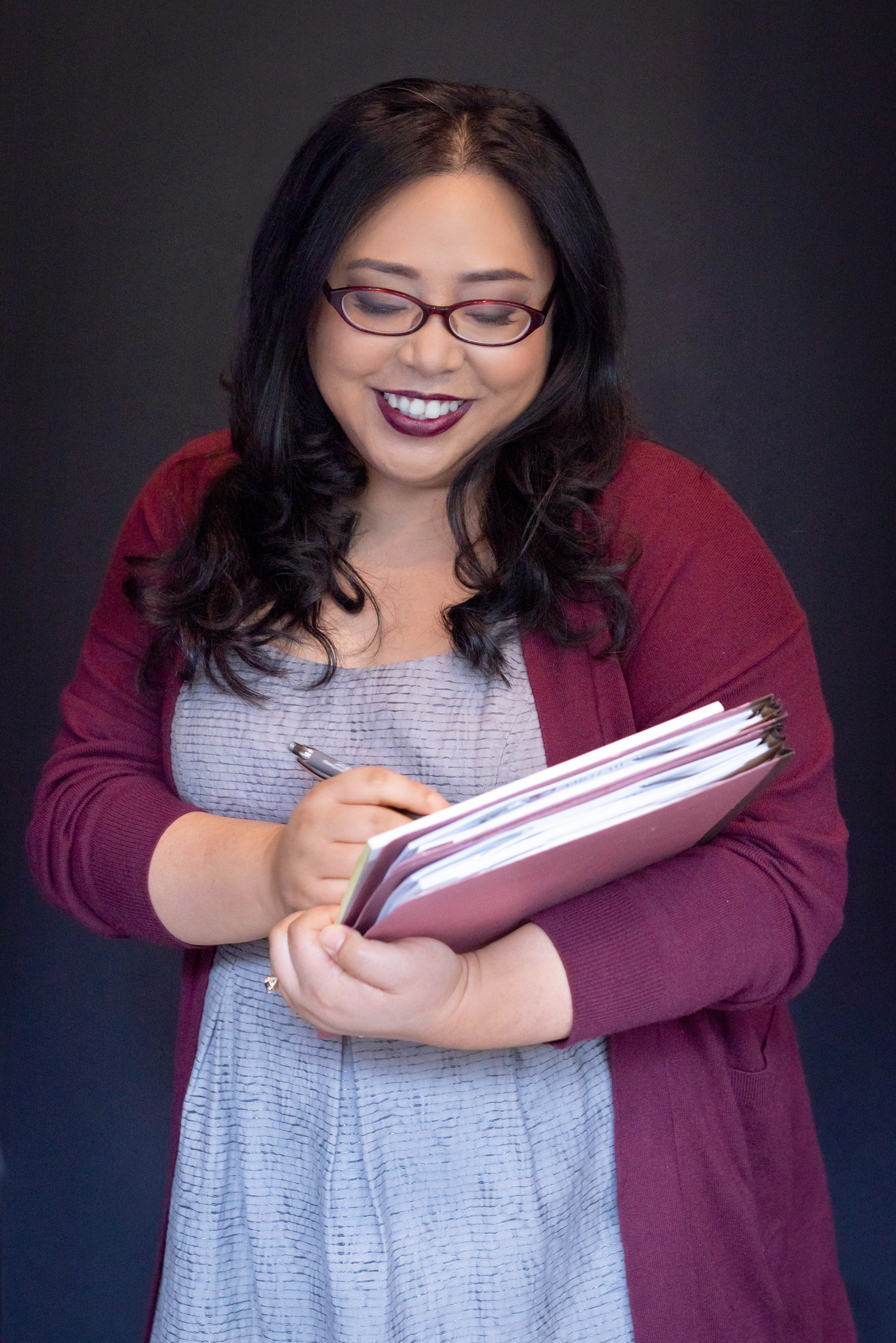
M. Cecilia Amo, Esq.
M. Cecilia Amo, Esq. is the founder of AMO LAW Legacy Planning and a California-licensed attorney (State Bar No. 245243). She helps individuals and families make informed estate planning decisions with clear, compassionate guidance.
Cecilia is also the author of Your After-Credits Scene: A Nerd’s Guide to Wills, Trusts & Legacy, which makes estate planning more approachable for people with different families and life circumstances.
Frequently asked questions
These answers are general information, not legal advice. The right planning depends on your facts and the law that applies.
What is a “Watcher” in estate planning?
A Watcher is a plain-language way to describe the person, documents, instructions, and preparation that help your chosen people understand what to do during incapacity and after death.
Why should estate planning happen before a crisis?
Preparation can give the people you choose clearer information and authority before a crisis occurs. Without preparation, family members may have to search for records or determine what steps are available while under stress.
Does a will or trust cover digital accounts and collections?
A will or trust may be part of the plan, but digital accounts, creative work, collections, and passwords often need separate inventories and instructions. Platform rules and applicable law also matter.
What should I tell the people who may help me?
Consider sharing where important records are kept, who may act under your documents, how to reach your attorney, and what instructions matter for your home, children, pets, accounts, collections, and digital life.
Nerd’s Guide to Legacy Planning is general educational information, not legal advice, and reading it does not create an attorney-client relationship. Cecilia Amo is licensed to practice law in California. Laws differ by state; if you live elsewhere, speak with an attorney licensed where you live.
Read the original newsletter on LinkedIn.